The Prevention of Medical Misinformation/Disinformation : the Nurse's Impact
Major
Nursing, BSN
Submission Type
Poster
Area of Study or Work
Nursing
Faculty Advisor
Wendy Kooken
Location
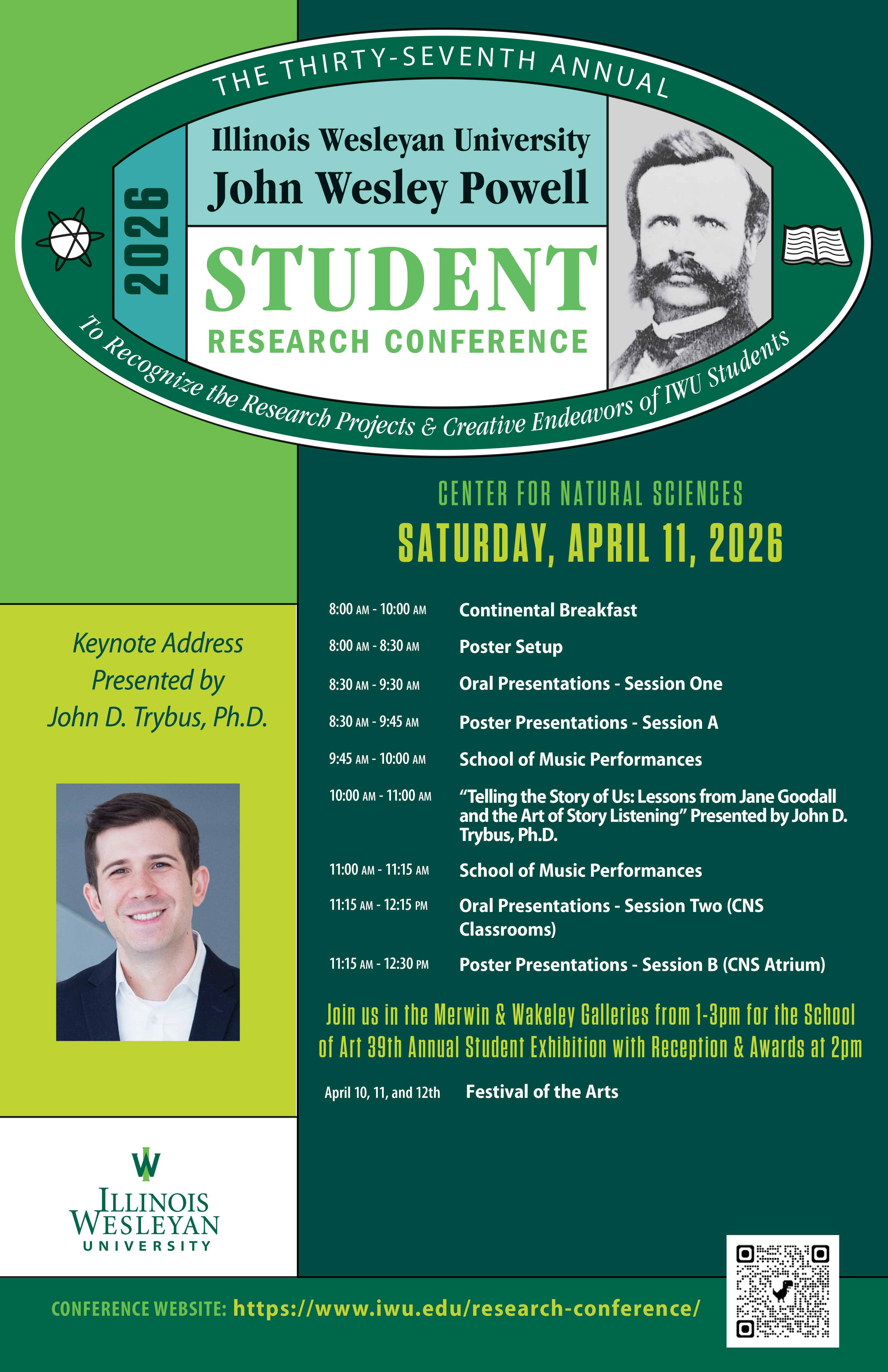
CNS Atrium
Start Date
4-11-2026 11:15 AM
End Date
4-11-2026 12:30 PM
Abstract
The spread of medical misinformation and disinformation has become dangerous and common in the United States. While such kinds of information have existed for a long time, some of the differences are in the development of web-based programs and social media websites. Medical misinformation is an unintentional misrepresentation of medical information. Disinformation is an intentional deception, spreading false information on purpose. Nurses are responsible both ethically and professionally to combat medical mis- and disinformation. Individuals making decisions based on misinformation/disinformation may have negative health consequences. A recent example was during the COVID epidemic, when there was a lot of misinformation about the vaccine, such as it embedding a tracker in persons or that the virus can be treated primarily with Ivermectin, an antiparasitic drug developed for livestock and pets. Acceptance of misinformation/disinformation as truth can also stem from mistrust in the healthcare system. In this review of literature, the main focus is on how nurses in the United States can contribute to stopping the spread of medical misinformation/disinformation. The importance of this review is to synthesize a cohesive and encompassing collection of evidence that can effectively combat medical misinformation/disinformation through nurses performing patient education. Using the PRISMA technique, we will examine research that focuses on patient education and nursing interventions that inform patients, develop trusting relationships, and how to best handle mis- and disinformation. Our review is in process.
The Prevention of Medical Misinformation/Disinformation : the Nurse's Impact
CNS Atrium
The spread of medical misinformation and disinformation has become dangerous and common in the United States. While such kinds of information have existed for a long time, some of the differences are in the development of web-based programs and social media websites. Medical misinformation is an unintentional misrepresentation of medical information. Disinformation is an intentional deception, spreading false information on purpose. Nurses are responsible both ethically and professionally to combat medical mis- and disinformation. Individuals making decisions based on misinformation/disinformation may have negative health consequences. A recent example was during the COVID epidemic, when there was a lot of misinformation about the vaccine, such as it embedding a tracker in persons or that the virus can be treated primarily with Ivermectin, an antiparasitic drug developed for livestock and pets. Acceptance of misinformation/disinformation as truth can also stem from mistrust in the healthcare system. In this review of literature, the main focus is on how nurses in the United States can contribute to stopping the spread of medical misinformation/disinformation. The importance of this review is to synthesize a cohesive and encompassing collection of evidence that can effectively combat medical misinformation/disinformation through nurses performing patient education. Using the PRISMA technique, we will examine research that focuses on patient education and nursing interventions that inform patients, develop trusting relationships, and how to best handle mis- and disinformation. Our review is in process.