
Using Gamification Working with Vulnerable Populations to Establish Therapeutic Relationships
Major
Nursing, BSN
Submission Type
Poster
Area of Study or Work
Nursing
Faculty Advisor
Melissa Calvillo
Location
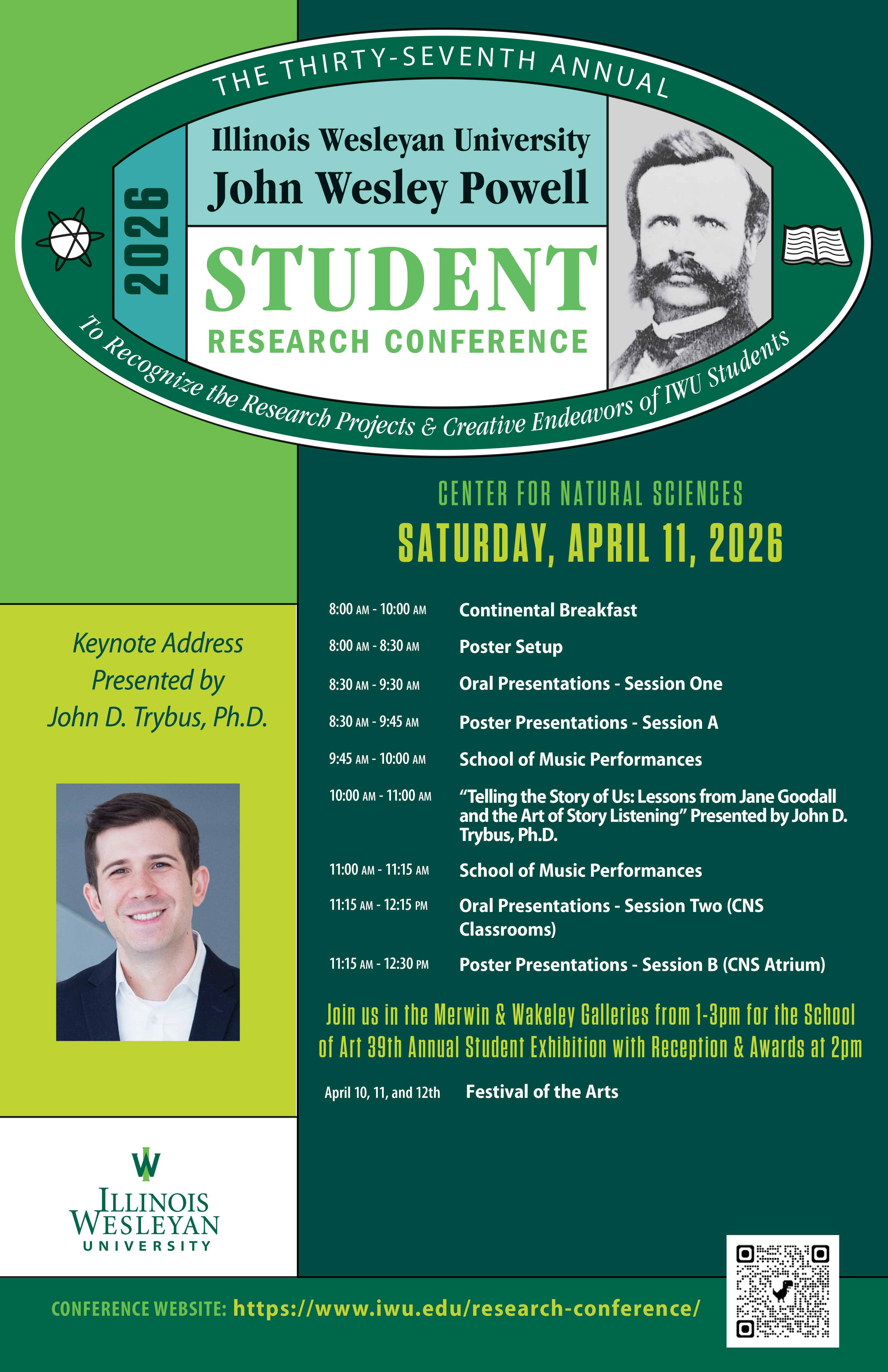
CNS Atrium
Start Date
4-11-2026 8:30 AM
End Date
4-11-2026 9:45 AM
Abstract
Vulnerable populations, such as unhoused persons (UP), may have difficulty entering into therapeutic relationships with healthcare providers. The number of UP has continued to expand each year with estimates of ¾ of a million people currently unhoused. There are a myriad of systemic, financial, physiological, and mental health conditions that are related to UP. Some percentage of UP remain disconnected completely meaning they do not use shelters of any kind, while some percentage use shelters on a regular basis. This population experiences many vulnerabilities related to mental and physical health needs, none of which can be addressed without a relationship with healthcare providers. One way to begin to develop relationships with UP may be to use games as a way to establish trusting relationships. Gamification is the application of game-like elements to non-game contexts - and has emerged as promising strategies in healthcare for enhancing education, promoting behavioral change, and fostering social interaction. Though scarce literature is available on gamification, studies on board games used as tools are being acknowledged more frequently and are being investigated as therapeutic and can potentially be used as diagnostic interventions for all walks of life. As nurses and researchers, we should always incorporate different methods of interaction to promote the best therapeutic outcomes for our clients. Vulnerable populations like substance users, houseless individuals, and trauma victims tend to have difficulties expressing themselves efficiently. Past research shows if one is not able to effectively communicate, aggression turns inwards and produces negative outcomes and increased risk of self harm/harm to others. Traditional methods won’t suffice for the information/background knowledge we need due to the complexity of individual patient needs. We want to maximize patient outcomes when considering the care we deliver by incorporating various methods to allow for expansion of knowledge and scope of care, which is something we strive for as nurses. Board games and other forms of game-based approaches go beyond enjoyment, these tools offer opportunities for education, behavioral modification, and enhance social interaction. Our review is currently in process.
Using Gamification Working with Vulnerable Populations to Establish Therapeutic Relationships
CNS Atrium
Vulnerable populations, such as unhoused persons (UP), may have difficulty entering into therapeutic relationships with healthcare providers. The number of UP has continued to expand each year with estimates of ¾ of a million people currently unhoused. There are a myriad of systemic, financial, physiological, and mental health conditions that are related to UP. Some percentage of UP remain disconnected completely meaning they do not use shelters of any kind, while some percentage use shelters on a regular basis. This population experiences many vulnerabilities related to mental and physical health needs, none of which can be addressed without a relationship with healthcare providers. One way to begin to develop relationships with UP may be to use games as a way to establish trusting relationships. Gamification is the application of game-like elements to non-game contexts - and has emerged as promising strategies in healthcare for enhancing education, promoting behavioral change, and fostering social interaction. Though scarce literature is available on gamification, studies on board games used as tools are being acknowledged more frequently and are being investigated as therapeutic and can potentially be used as diagnostic interventions for all walks of life. As nurses and researchers, we should always incorporate different methods of interaction to promote the best therapeutic outcomes for our clients. Vulnerable populations like substance users, houseless individuals, and trauma victims tend to have difficulties expressing themselves efficiently. Past research shows if one is not able to effectively communicate, aggression turns inwards and produces negative outcomes and increased risk of self harm/harm to others. Traditional methods won’t suffice for the information/background knowledge we need due to the complexity of individual patient needs. We want to maximize patient outcomes when considering the care we deliver by incorporating various methods to allow for expansion of knowledge and scope of care, which is something we strive for as nurses. Board games and other forms of game-based approaches go beyond enjoyment, these tools offer opportunities for education, behavioral modification, and enhance social interaction. Our review is currently in process.