
Combating the Effects of Doom-Scrolling and Brain Rot: Improving Digital Literacies and Reading Comprehension in a Technological Age
Major
English – Literature
Second Major
Educational Studies
Submission Type
Oral Presentation
Area of Study or Work
Educational Studies
Faculty Advisor
Leah Nillas
Location
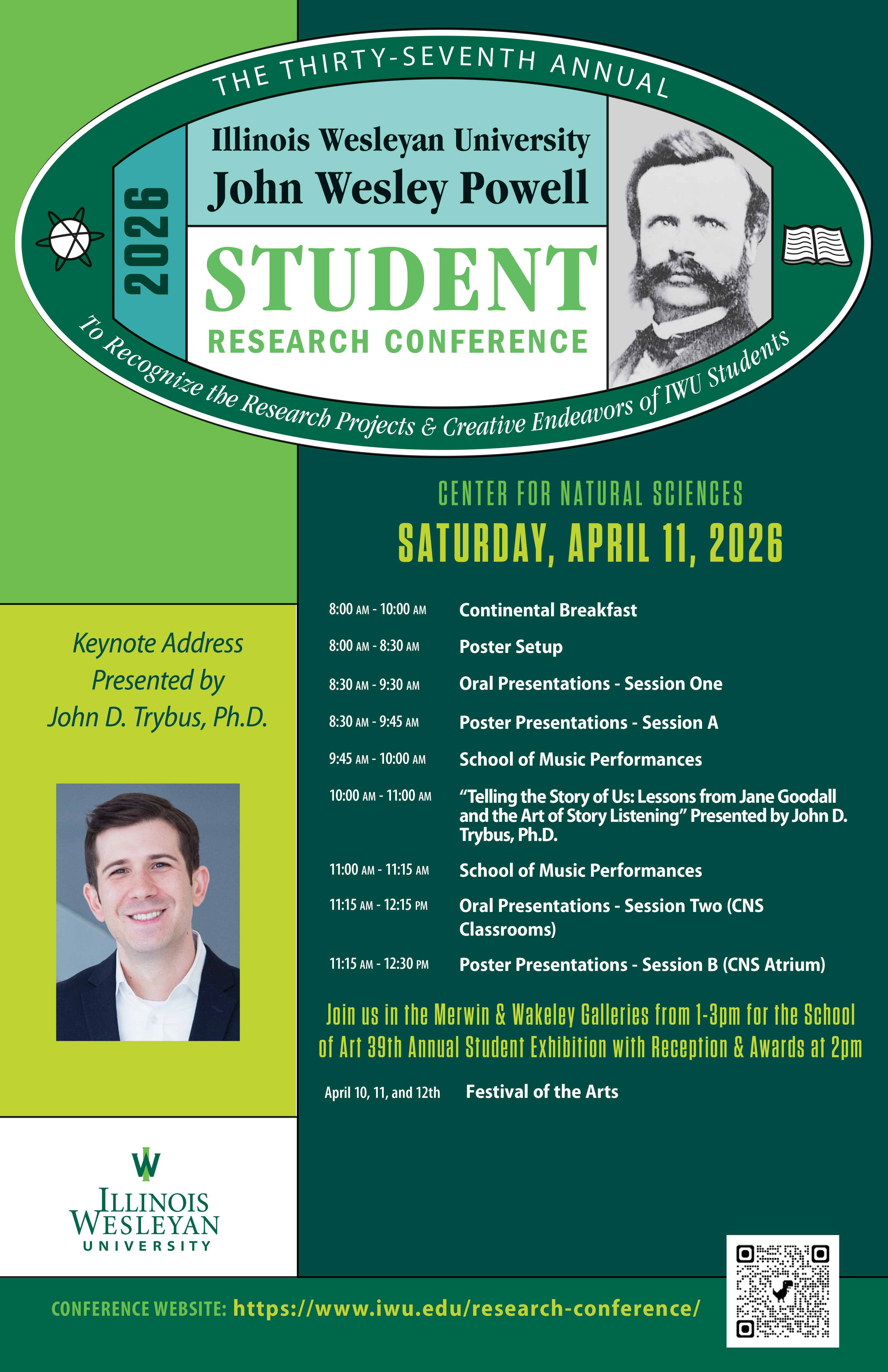
CNS E102
Start Date
4-11-2026 8:30 AM
End Date
4-11-2026 9:30 AM
Abstract
This research synthesis aims to understand the current state of reading comprehension levels in American classrooms and the impact of technology on literacy skills, asking how has reading comprehension and literacy rates been affected by technology and social media and, additionally, what teaching strategies prepare students to read and think critically in a modern world? From there, research of effective tools and strategies that best address the problem of digital reading skills will be explored and proven of their successful attributes. Digital literacy is the ability to locate, understand, create, and distribute digital content in various multimodal forms such as text, sound, and visual (Coiro, 2021). Over twenty academic sources were collected across online educational databases with the aim to address curriculum development and the importance of evolving the classroom to best serve students needs, as proposed by Cheng-man Lau (2001). The purpose of this synthesis is to bring to light the changing needs of students in a digital-age that relies heavily on technology for growth and development. The conclusion aims to bring helpful advice and guidance to teachers on the best practices to provide students with the opportunities of success.
Combating the Effects of Doom-Scrolling and Brain Rot: Improving Digital Literacies and Reading Comprehension in a Technological Age
CNS E102
This research synthesis aims to understand the current state of reading comprehension levels in American classrooms and the impact of technology on literacy skills, asking how has reading comprehension and literacy rates been affected by technology and social media and, additionally, what teaching strategies prepare students to read and think critically in a modern world? From there, research of effective tools and strategies that best address the problem of digital reading skills will be explored and proven of their successful attributes. Digital literacy is the ability to locate, understand, create, and distribute digital content in various multimodal forms such as text, sound, and visual (Coiro, 2021). Over twenty academic sources were collected across online educational databases with the aim to address curriculum development and the importance of evolving the classroom to best serve students needs, as proposed by Cheng-man Lau (2001). The purpose of this synthesis is to bring to light the changing needs of students in a digital-age that relies heavily on technology for growth and development. The conclusion aims to bring helpful advice and guidance to teachers on the best practices to provide students with the opportunities of success.