
Decentralize!: How Biblical Exegesis Empowers High School Students to Read the Bible Bravely and Critically
Major
English – Literature
Submission Type
Oral Presentation
Area of Study or Work
English-Literature
Faculty Advisor
Joanne Diaz
Location
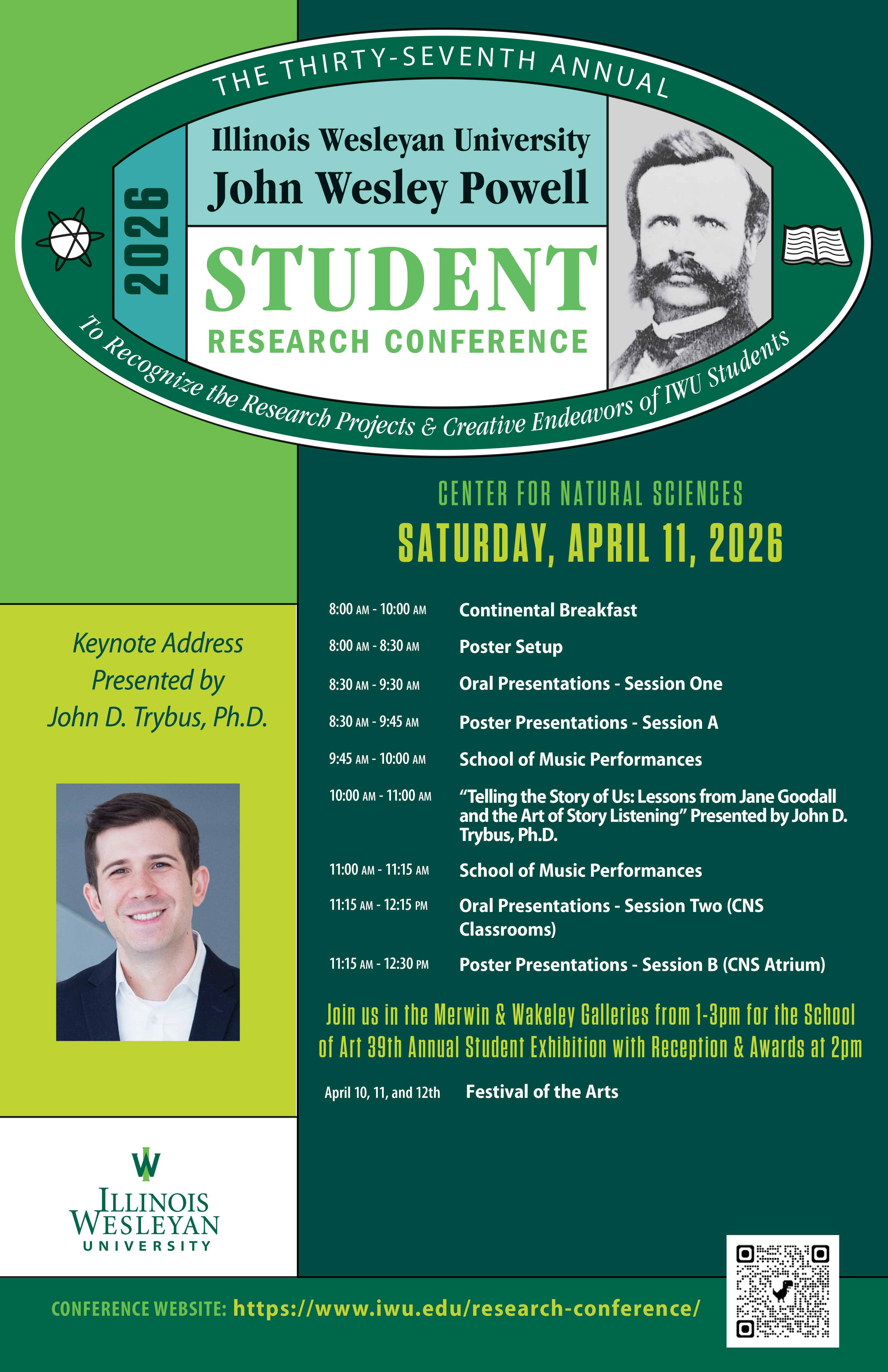
CNS E104
Start Date
4-11-2026 11:15 AM
End Date
4-11-2026 12:15 PM
Abstract
Scholars and teachers alike recognize The Bible as a text which can potentially be studied in the secular, secondary English classroom. While their recognition demonstrates a certain willingness to teach the text, many attempts at application fail to treat the text with its full gravity because teachers avoid addressing scripture’s central themes and problems out of fear of offending students or parents. Clearly, then, there is a need for an approach to biblical study which allows students to navigate and discuss scripture’s controversial parts without fear of either becoming antagonistic to others or of being antagonized themselves. This research project centers on Biblical Exegesis, a critical method which draws from many methods of study and allows students to discuss the text’s ideas clearly and candidly. Exegesis asks students and teachers to focus on the evidence of biblical text situated in context which illuminates the meaning and significance of it. Moving towards a more objective meaning, students using this method gain the freedom to decentralize their conversation of difficult topics and manage their proximity to them while still addressing them thoroughly. This project uses Exegesis to consider Genesis chapters 1-3–the accounts of the creation of the world and the fall of man–as a case study for what the method looks like in practice. Additionally, it considers how students might wield this liberation of understanding when they encounter other foundational literary texts and use the requisite scriptural knowledge they have attained to broaden their understanding of the literary canon and all texts in conversation with The Bible.
Decentralize!: How Biblical Exegesis Empowers High School Students to Read the Bible Bravely and Critically
CNS E104
Scholars and teachers alike recognize The Bible as a text which can potentially be studied in the secular, secondary English classroom. While their recognition demonstrates a certain willingness to teach the text, many attempts at application fail to treat the text with its full gravity because teachers avoid addressing scripture’s central themes and problems out of fear of offending students or parents. Clearly, then, there is a need for an approach to biblical study which allows students to navigate and discuss scripture’s controversial parts without fear of either becoming antagonistic to others or of being antagonized themselves. This research project centers on Biblical Exegesis, a critical method which draws from many methods of study and allows students to discuss the text’s ideas clearly and candidly. Exegesis asks students and teachers to focus on the evidence of biblical text situated in context which illuminates the meaning and significance of it. Moving towards a more objective meaning, students using this method gain the freedom to decentralize their conversation of difficult topics and manage their proximity to them while still addressing them thoroughly. This project uses Exegesis to consider Genesis chapters 1-3–the accounts of the creation of the world and the fall of man–as a case study for what the method looks like in practice. Additionally, it considers how students might wield this liberation of understanding when they encounter other foundational literary texts and use the requisite scriptural knowledge they have attained to broaden their understanding of the literary canon and all texts in conversation with The Bible.