
Navigating the New Frontier: Opportunities and Barriers for SMBs in the Age of Agentic AI
Major
Computer Science
Second Major
Accounting
Submission Type
Poster
Area of Study or Work
Business, Computer Science
Faculty Advisor
Jeremy Roberts
Location
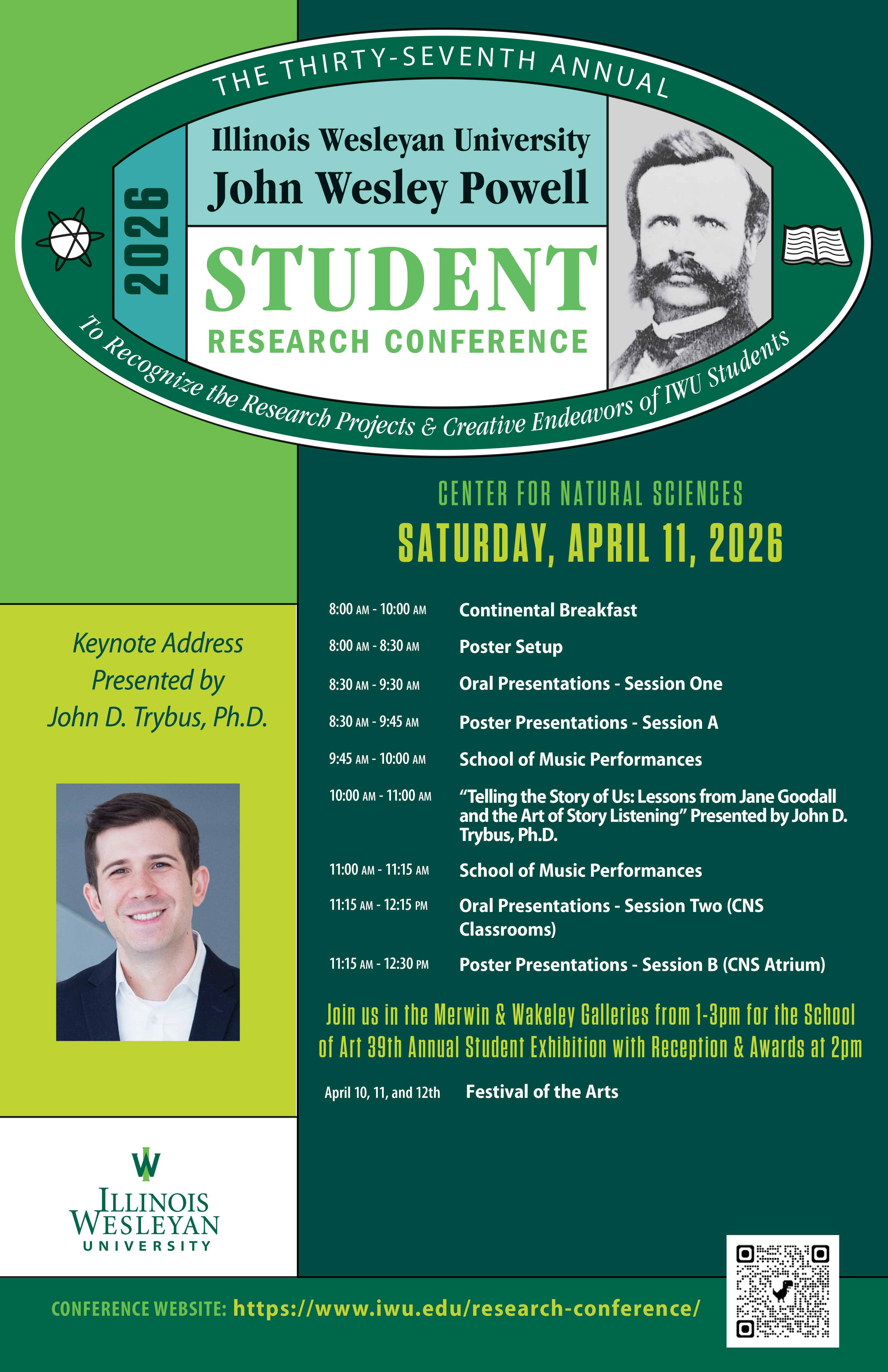
CNS Atrium
Start Date
4-11-2026 8:30 AM
End Date
4-11-2026 9:45 AM
Abstract
As artificial intelligence evolves from passive tools into automated decision-making systems, small and medium-sized businesses (SMBs) find themselves at a critical inflection point. This research examines the strategic implications of this shift, focusing on how Agentic AI reshapes realities for resource-constrained firms competing against larger, better-funded enterprises. Moving beyond standard digital tools, this study explores what happens when AI does not just assist, but autonomously acts. To understand this dynamic, the project pursues four interconnected objectives: First, it distinguishes Agentic AI from conventional platforms by defining characteristics like autonomous planning and execution. Second, it evaluates how these agents serve as "equalizers" for SMBs by driving hyper-automation across customer service, logistics, and data analysis. Third, it identifies universal barriers to adoption, such as algorithmic trust issues, technical talent shortages, and integration costs. Finally, it proposes a practical framework to help SMB leaders adopt autonomous agents responsibly while preserving meaningful human oversight. Ultimately, the goal of this research is not merely to celebrate AI’s potential, but to translate it into actionable strategies that guide SMB operators in building durable, rather than speculative, competitive advantages.
Navigating the New Frontier: Opportunities and Barriers for SMBs in the Age of Agentic AI
CNS Atrium
As artificial intelligence evolves from passive tools into automated decision-making systems, small and medium-sized businesses (SMBs) find themselves at a critical inflection point. This research examines the strategic implications of this shift, focusing on how Agentic AI reshapes realities for resource-constrained firms competing against larger, better-funded enterprises. Moving beyond standard digital tools, this study explores what happens when AI does not just assist, but autonomously acts. To understand this dynamic, the project pursues four interconnected objectives: First, it distinguishes Agentic AI from conventional platforms by defining characteristics like autonomous planning and execution. Second, it evaluates how these agents serve as "equalizers" for SMBs by driving hyper-automation across customer service, logistics, and data analysis. Third, it identifies universal barriers to adoption, such as algorithmic trust issues, technical talent shortages, and integration costs. Finally, it proposes a practical framework to help SMB leaders adopt autonomous agents responsibly while preserving meaningful human oversight. Ultimately, the goal of this research is not merely to celebrate AI’s potential, but to translate it into actionable strategies that guide SMB operators in building durable, rather than speculative, competitive advantages.