

Shooting For Improvement: Utilizing Mini Moot Courts To Change The Game In Civics
Major
History
Submission Type
Poster
Area of Study or Work
Educational Studies
Faculty Advisor
Leah Nillas
Location
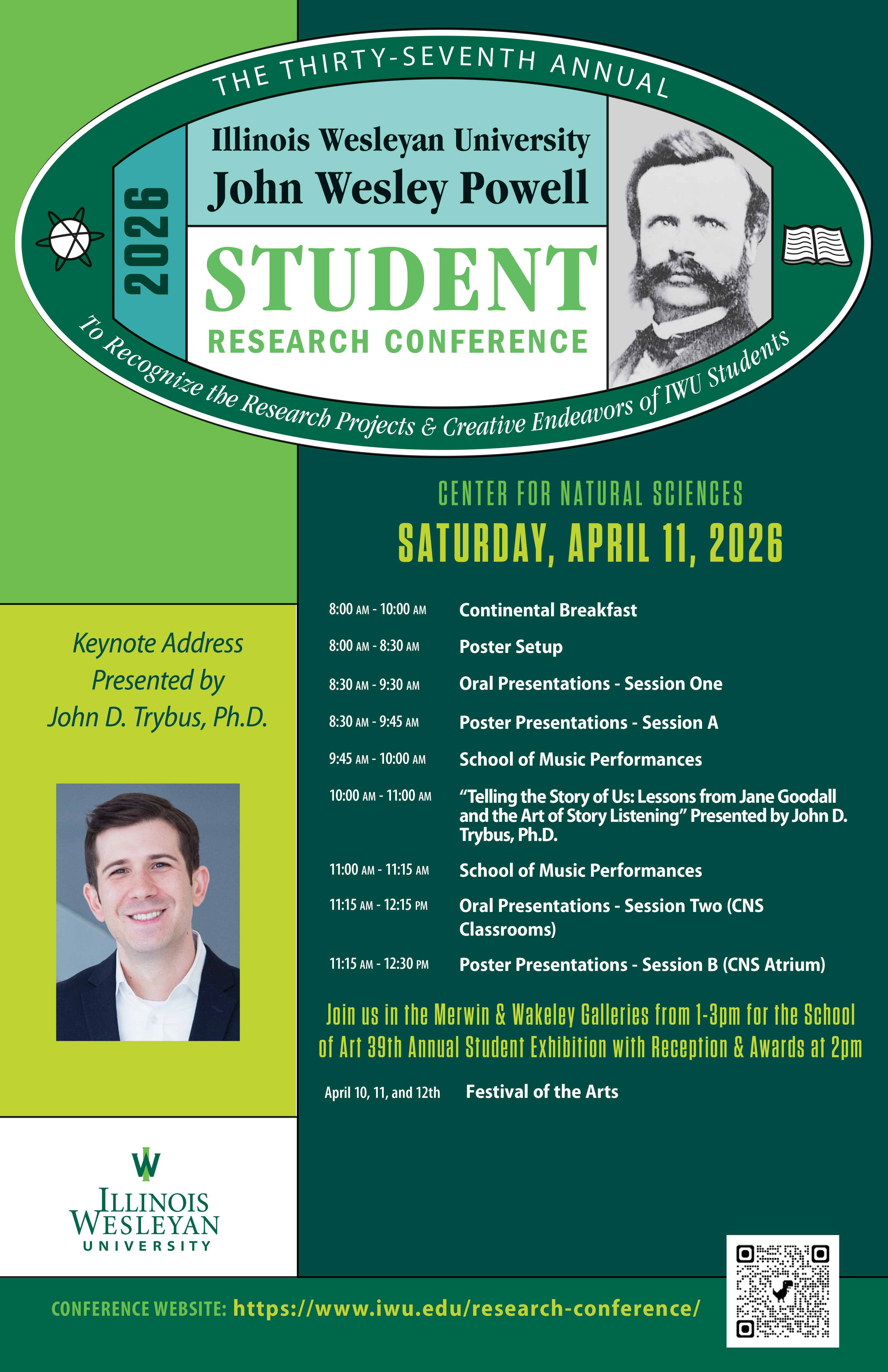
CNS Atrium
Start Date
4-11-2026 11:15 AM
End Date
4-11-2026 12:30 PM
Abstract
Traditional teaching in social studies is often focused on lecture heavy content rather than practical skills students can learn through experimental learning. Simulation based learning is a method of instruction that pushes against traditional social studies and applies discussion-based learning with historical principles to engage students within the social studies curriculum. As a student teacher in an urban eleventh and twelfth grade classroom, my classes included many different students with diverse learning needs. As a student teacher, new instructional methods such as simulation-based learning in the civics curriculum, allowed me to differentiate civics instruction in a new and exciting way. Through this experimentation of new instructional methods, a self-study project using the mini moot courts strategy (Bell, 2002) was studied and a relationship between how simulations within civics impact students was proposed. This classroom research highlights the potential of justice-oriented simulations to democratize student participation, amplify diverse student voices within discussion, and support more experimental learning within civic classrooms. I analyzed qualitative data such as lesson plans, observation notes, and student anecdotal remarks regarding mini moot court simulations. My findings suggest that students’ civic performance as well as engagement in content is positively influenced by the proper implementation of simulation-based instruction.
Shooting For Improvement: Utilizing Mini Moot Courts To Change The Game In Civics
CNS Atrium
Traditional teaching in social studies is often focused on lecture heavy content rather than practical skills students can learn through experimental learning. Simulation based learning is a method of instruction that pushes against traditional social studies and applies discussion-based learning with historical principles to engage students within the social studies curriculum. As a student teacher in an urban eleventh and twelfth grade classroom, my classes included many different students with diverse learning needs. As a student teacher, new instructional methods such as simulation-based learning in the civics curriculum, allowed me to differentiate civics instruction in a new and exciting way. Through this experimentation of new instructional methods, a self-study project using the mini moot courts strategy (Bell, 2002) was studied and a relationship between how simulations within civics impact students was proposed. This classroom research highlights the potential of justice-oriented simulations to democratize student participation, amplify diverse student voices within discussion, and support more experimental learning within civic classrooms. I analyzed qualitative data such as lesson plans, observation notes, and student anecdotal remarks regarding mini moot court simulations. My findings suggest that students’ civic performance as well as engagement in content is positively influenced by the proper implementation of simulation-based instruction.